 02 9603 4340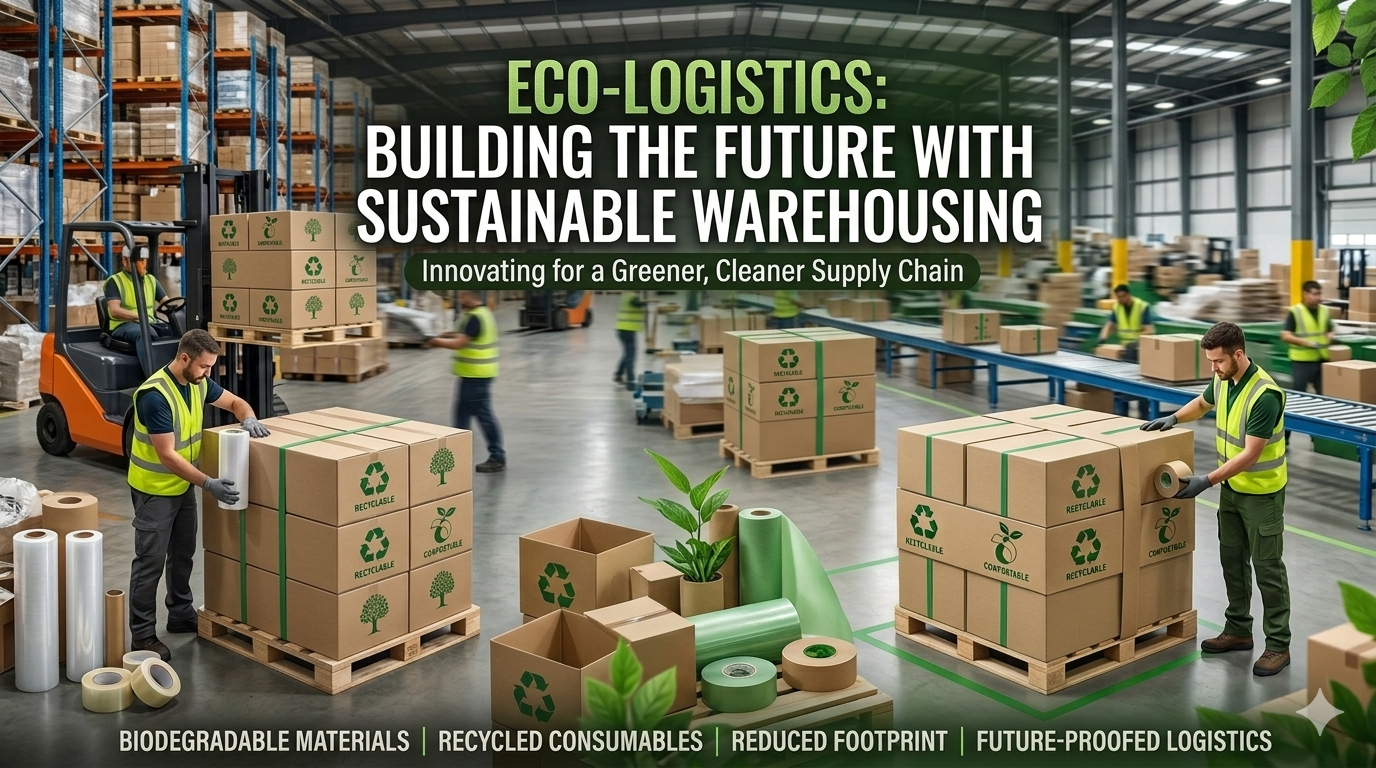
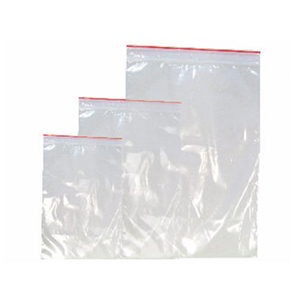
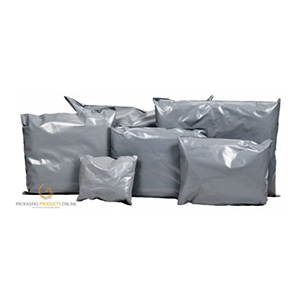
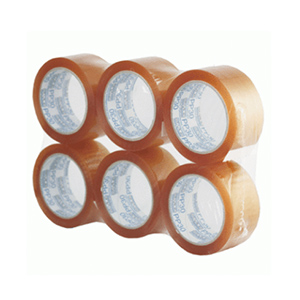
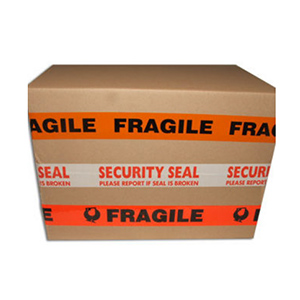
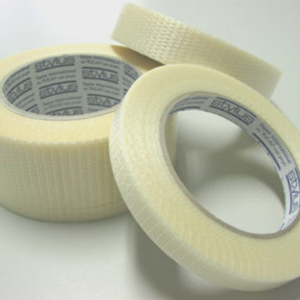
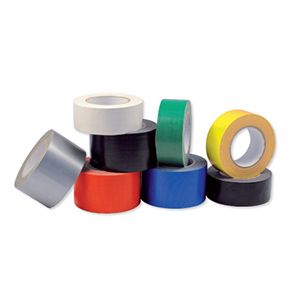
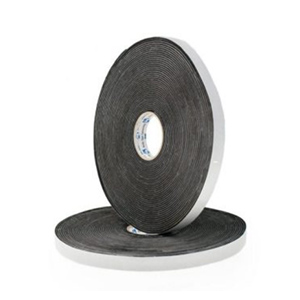
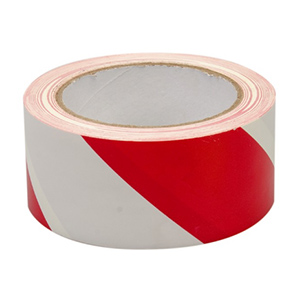
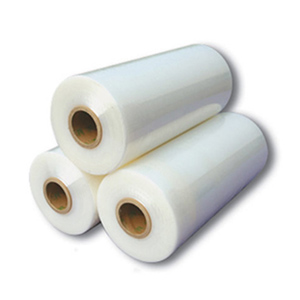
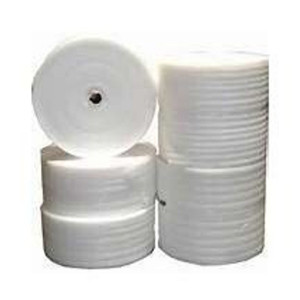
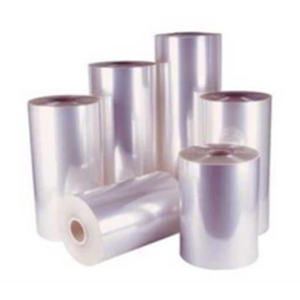
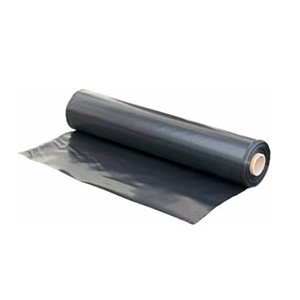
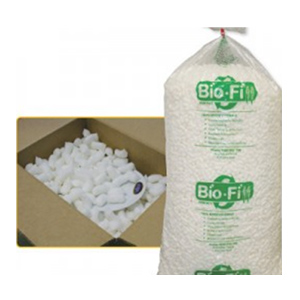
The warehousing industry sits at the heart of global commerce, but its massive footprint comes with an equally large environmental responsibility. While modern facilities frequently upgrade to energy-efficient lighting and electric forklifts, one critical area is often left behind: packaging consumables. Every day, warehouses burn through mountains of single-use plastic, plastic tape, and polystyrene void fill. Shifting the industry standard toward eco-friendly packaging alternatives must become a higher operational priority.
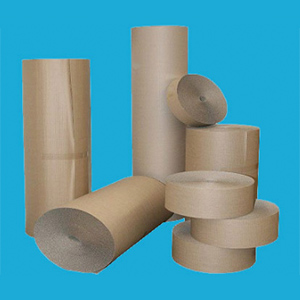
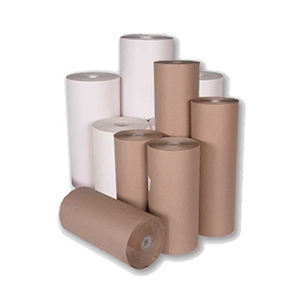
The primary driver for this shift is the sheer volume of waste generated during order fulfillment. By replacing these items with biodegradable, recycled, or plant-based alternatives—such as paper-based water-activated tape, corrugated cardboard box dividers, and other eco friendlier wraps—warehouses can drastically cut their plastic output.
“Innovation is taking two things that already exist and putting them together in a new way.” – Tom Freston
Furthermore, prioritizing green consumables directly aligns with shifting consumer and regulatory expectations. Modern consumers increasingly demand sustainable supply chains, and companies that use excessive plastic packaging risk damaging their brand reputation. At the same time, governments worldwide are tightening regulations on single-use plastics and introducing extended producer responsibility laws. Embracing sustainable consumables now protects logistics providers from future compliance penalties and creates a strong competitive advantage.
What we’re doing
Yes, we know we supply all this. We are constantly evolving, treating sustainability not as a static goal but as an ongoing journey of innovation. Our teams actively explore, test, and implement cutting-edge packaging alternatives and supply chain solutions. By continuously trialling new bio-materials and structural designs, we ensure our operations remain at the absolute forefront of green logistics.
Ultimately, green packaging is no longer just an ethical choice; it is a smart business strategy. Innovations in material science have made paper and bio-based alternatives just as durable and cost-effective as traditional plastics. Transitioning to sustainable packaging consumables allows the warehousing sector to close the loop on waste, shrink its carbon footprint, and drive the entire supply chain toward a cleaner future.